
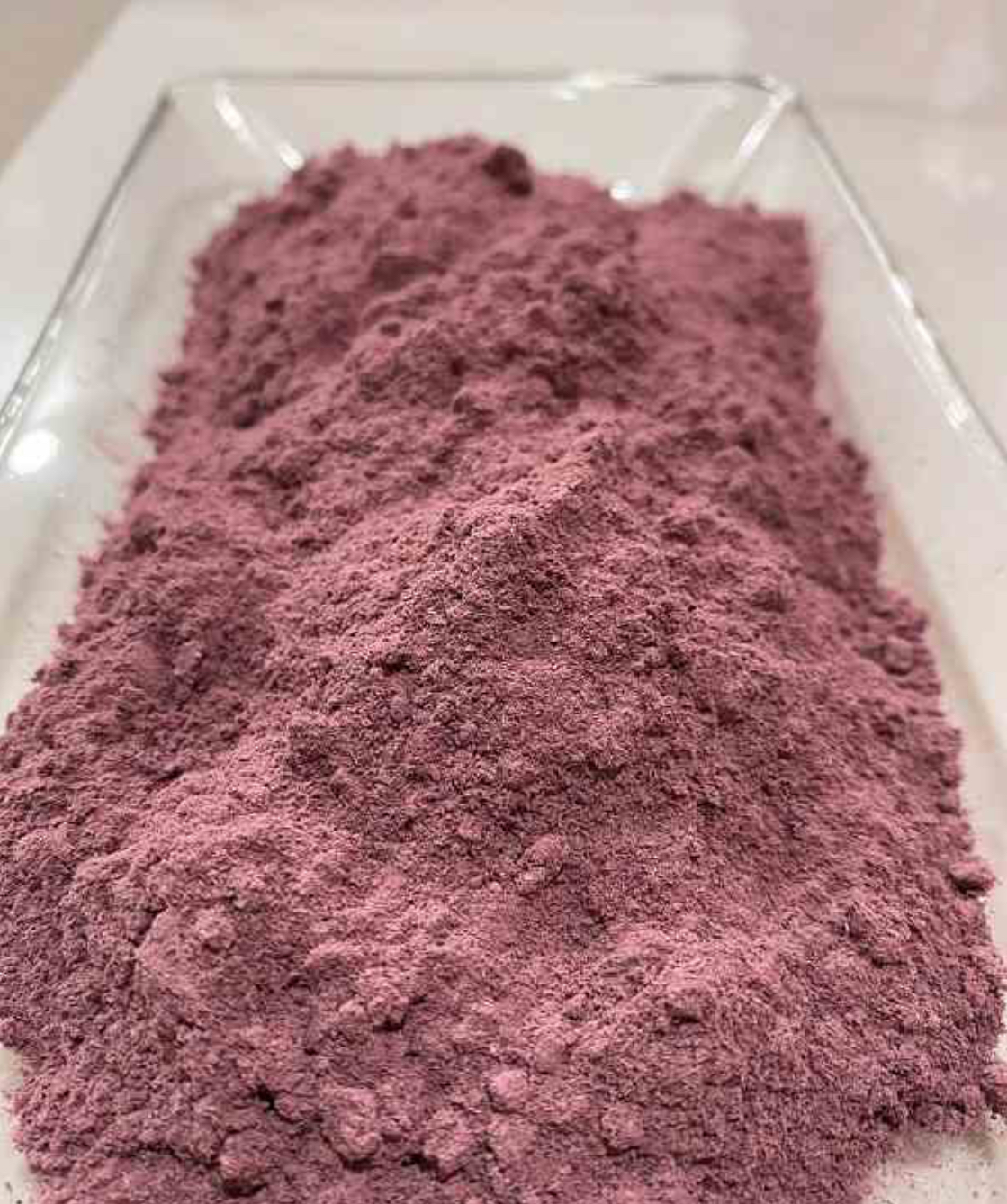


Order Mimosa Hostilis

Price range: $110.00 through $400.00
Mimosa hostilis is a botanically and culturally significant plant with diverse traditional, industrial, and botanical applications. Its chemical profile — rich in tannins, flavonoids, and the alkaloid DMT – underpins both its historical use in traditional medicine and its complex regulatory status. While raw plant material may be legally traded in many jurisdictions for non-psychoactive applications (e.g., natural dyes, cosmetics, botanical research), activities that isolate, concentrate, or attempt to use its psychoactive constituents fall under controlled-substance legislation in most countries.
Order Mimosa Hostilis Online – Buy Mimosa Hostilis
- What Is “Mimosa Hostilis”?
Mimosa hostilis (also known synonymously as Mimosa tenuiflora or Jurema preta) is a drought-tolerant small tree or shrub belonging to the Fabaceae family. It is native to Mexico, Brazil, and other tropical regions of Central and South America. The species is notable for its fibrous root bark, which is highly valued in traditional cultures for a range of uses — from textile dyeing and wound healing to ceremonial practices — although its exact legal status varies widely because of its chemical constituents.
- Chemical Composition / Formation
The chemical composition of Mimosa hostilis root bark is complex, consisting of a mixture of bioactive alkaloids, polyphenols, and other phytochemicals such as: DMT A naturally occurring alkaloid concentrated in the inner root bark. its content is estimated between 0.3 % and 1.7 % of dry weight. DMT is a serotonergic compound, Tannins Polyphenolic; compounds responsible for the deep red or purple coloration of the bark and its strong astringent, antimicrobial, and antioxidant properties, Flavonoids and Saponins; These contribute to antioxidant activity, anti-inflammatory effects, and foaming behavior in botanical extracts and other phytochemicals.
It’s crucial to distinguish between the presence of DMT within the whole botanical matrix and the isolated molecule itself — the plant material contains many compounds, and DMT is one of them among a broader phytochemical spectrum.
Buy Mimosa Hostilis
- Effects & “Perceived Benefits
Traditional uses attributed to Mimosa hostilis include:
-
Anti-inflammatory and antibacterial activity: Tannins and flavonoids are known to have antimicrobial properties, which may support traditional applications for wound treatment.
-
Antioxidant effects: The presence of polyphenolic compounds suggests potential for scavenging free radicals, which could be relevant to topical skincare.
-
Soil improvement: The plant’s nitrogen-fixing roots enhance soil fertility and support ecological restoration projects
Order Mimosa Hostilis Online – Mimosa Hostilis for sale
4. Medical Uses
Research into DMT and similar tryptamines is underway in the context of psychedelic-assisted therapies (e.g., for depression or PTSD), but this work: Uses highly purified compounds, Occurs in clinical trial settings, Is distinct from botanical use, which lacks dosage standardization and clinical validation. Due to DMT’s classification as a controlled substance it has historically limited mainstream clinical adoption outside regulated research programs.
- Comparison: Mimosa Hostilis vs. Other Botanics
Mimosa hostilis shares ethnobotanical interest with several other DMT-containing species, but there are differences worth noting:
| Botanical Feature | Mimosa hostilis | Psychotria viridis | Acacia species |
|---|---|---|---|
| Major DMT source | Root bark | Leaves | Root bark |
| Typical DMT content | ~0.3 %–1.7 % | 0.1 %–0.5 % | Varies (often ~0.5 %) |
| Traditional ceremonial use | Jurema ceremonies | Ayahuasca brews | Limited, varied |
| Other uses | Dye, skincare, agroforestry | Limited beyond entheogenic context | Timber, ornamental, ethnobotany |
Compared to Acacia confusa or Psychotria viridis, Mimosa hostilis often contains higher levels of DMT in its root bark and is historically central to certain shamanic traditions.
- Legality- Global Perspective
The legal status of Mimosa hostilis varies significantly by jurisdiction and depends critically on whether it is treated as raw botanical material or processed for its controlled constituents such as DMT. For example in the United States Mimosa hostilis root bark is not explicitly controlled at the federal level, but DMT is Schedule I and extraction or possession of concentrated DMT is illegal. Possession with intent to extract can fall under controlled-substances laws. Australia, Some EU Countries: have moved to explicitly ban the plant material due to its psychoactive content.
Key compliance point: Raw botanical supply of Mimosa hostilis for legitimate uses (dye, cosmetic extract, research) can be legal, but any intent to concentrate or isolate controlled compounds is prohibited without licensing or exemption under local law.
- Risks, Harms & Public Health Concerns
Safety Considerations
-
Plant materials should be sourced with validated botanical identification.
-
Products for dyeing, cosmetics, or industrial use should comply with appropriate quality control standards (e.g., absence of contaminants, accurate labeling).
-
Do not ingest or attempt extraction of psychoactive compounds outside qualified research settings, as this may be both hazardous leading to coma or death.
- Responsible & Legal Alternatives for Pharma B2B Contexts
If your platform Lookupchemicals.com aims to serve licensed pharma professionals, consider focusing on legitimate, regulated compounds, While Mimosa hostilis is legal in some regulated markets , it is not an approved pharmaceutical chemical in many Countries and must be considered within local legal and regulatory contexts. Its reported benefits — notably color for dye, anti-inflammatory benefits, and potential therapeutic effects via the entourage effect — are of interest to both consumers and medical patients where legal and appropriate.
| Quantity (Grams) | 10g, 20g, 50g |
|---|
Be the first to review “Order Mimosa Hostilis”
Related products


DMT DRUGS
Reviews
There are no reviews yet.